.png)
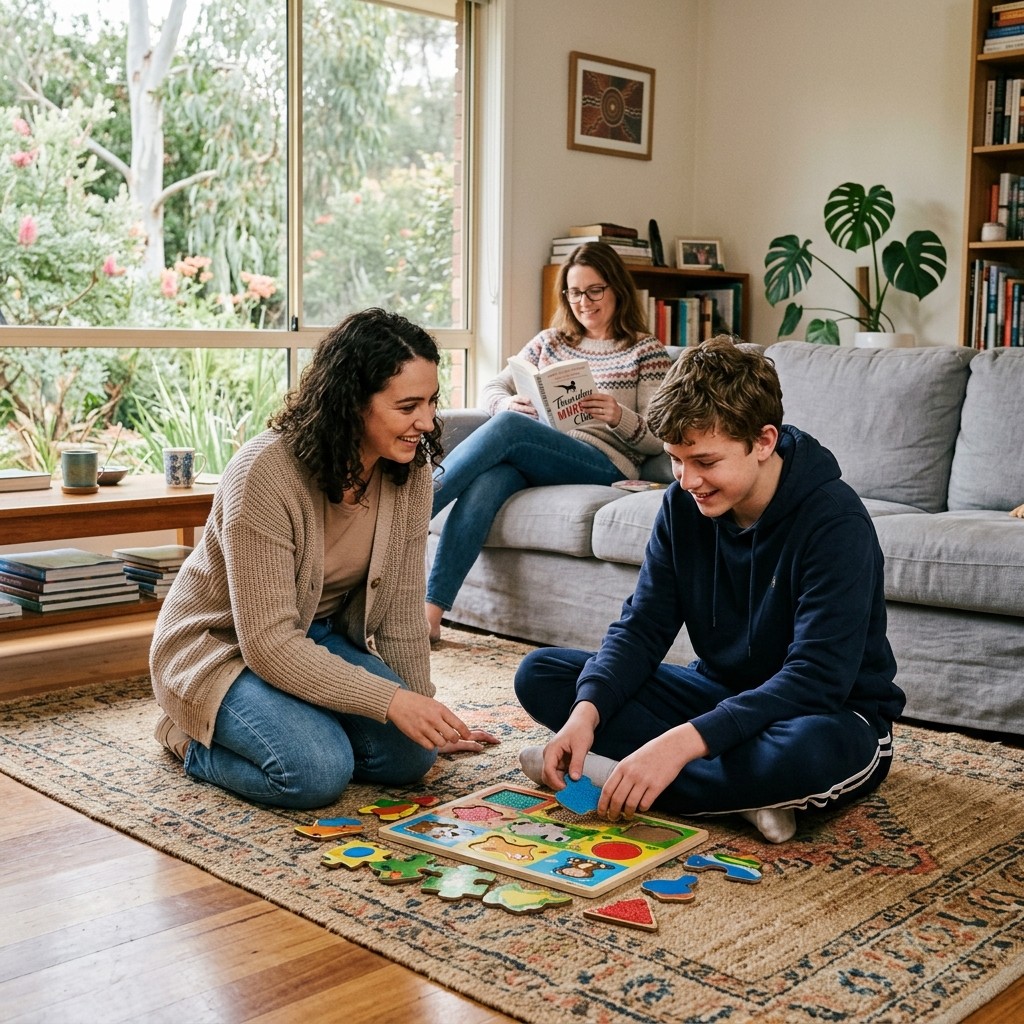
Respite that's restorative for everyone in the household.
In-home respite, day respite or planned short-term stays — designed so carers can rest and participants have a great time, not just a placeholder.
Support that fits the rhythm of your life — not the other way around.
Caring for a family member with disability is meaningful work — and it's still work. Without regular, planned breaks, even the strongest family unit starts to fray. Respite care exists to protect what you've built by giving you genuine rest, while your loved one is supported by people who treat the time as their own opportunity, not a babysitting shift.
We deliver respite in three main shapes. In-home respite is when our worker comes to your home so you can leave with confidence. Day respite is when your loved one spends a planned outing or day program with us, somewhere they enjoy. Short-term accommodation (STA) is when they stay overnight in respite accommodation we've helped arrange.
Whatever the shape, our promise is the same: respite should leave the participant feeling cared for and the family feeling rested. If you're returning home and dreading what you'll walk back into, the respite hasn't done its job.
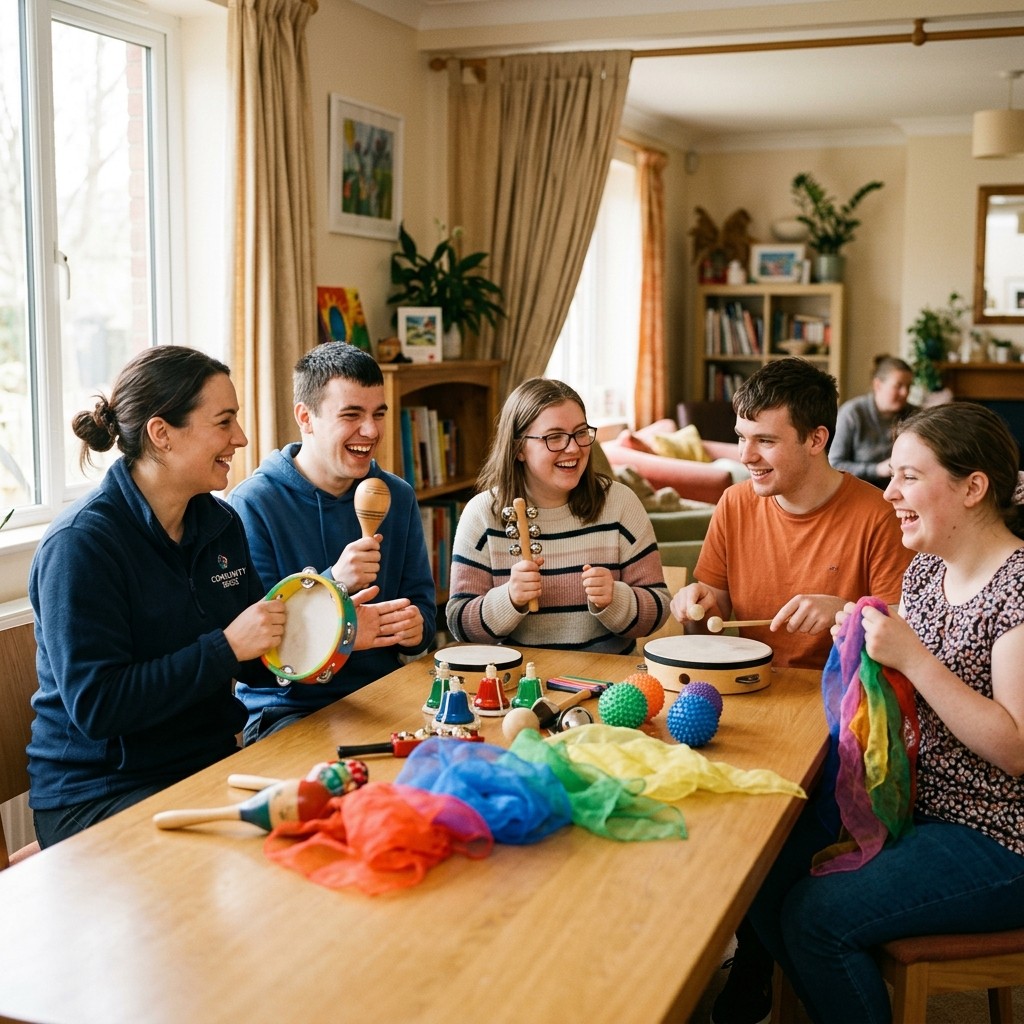
Connection, music, belonging.
“Good respite leaves the participant feeling cared for and the family feeling rested.”
— Our respite promise
Practical, person-centred support — mixed to suit you.
Respite support can be tailored to almost any household. Here are the most common patterns we deliver.
In-home respite
A trusted worker in your home so you can rest, work, attend appointments, or get away for an afternoon, a day, or a weekend.
Day respite
A planned outing or activity day — anything from a beach trip to a movies-and-lunch day — built around what the participant enjoys.
Short-term accommodation
Planned overnight or weekend stays in respite accommodation, fully supported, with familiar workers where possible.
Emergency respite
When something unexpected happens, we'll do our best to step in quickly — within the limits of safe staffing and existing rosters.
Sibling-friendly respite
Respite that gives parents one-on-one time with siblings — often the most healing version of all.
Holiday support
Coming with you on a family trip so the carer-parent can actually be on holiday too.
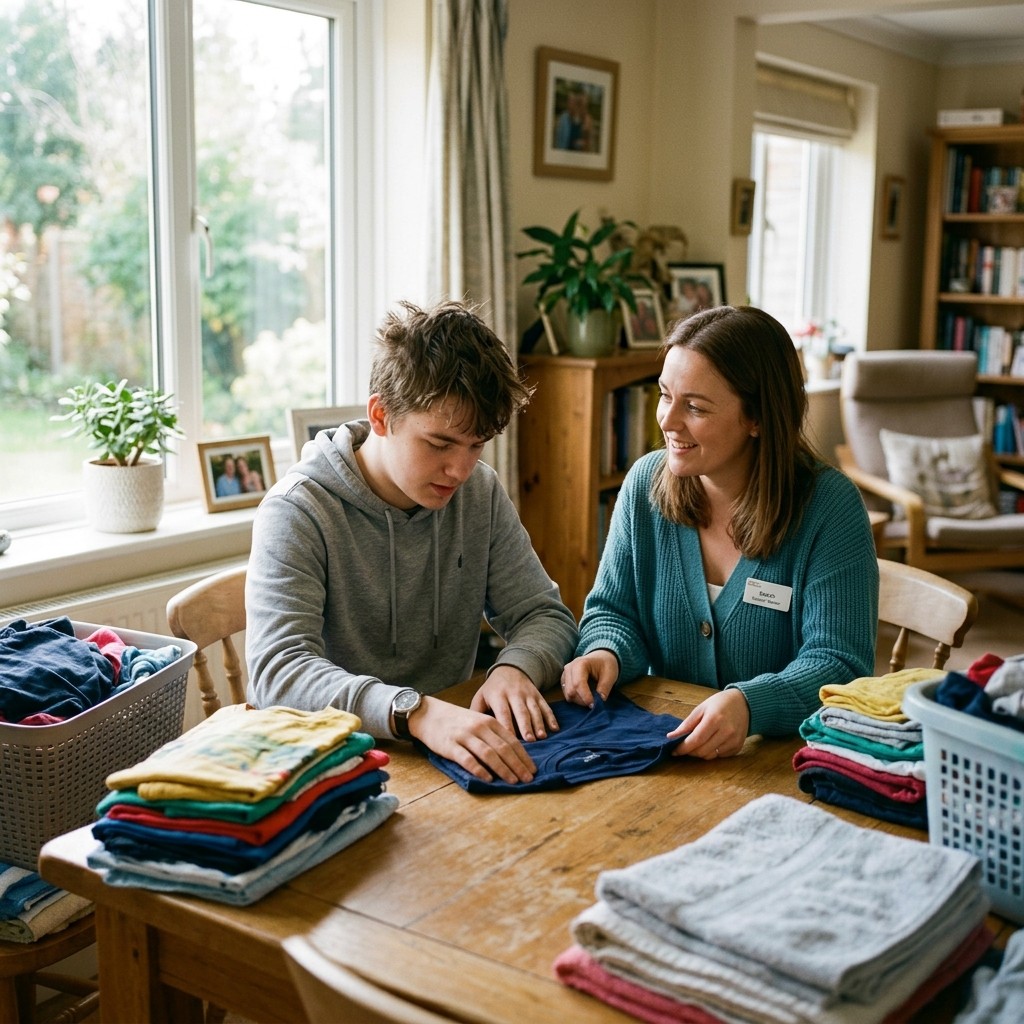
You're welcome here.
Respite is for any household where a family member or informal carer is providing significant disability support. That includes parents of children and adults with disability, partners, adult siblings and grandparents who've stepped into a caring role.
It's also for participants themselves — many adults with disability genuinely enjoy respite as a change of pace, a chance to spend time with new people, and an opportunity to practise being away from home in a safe, supported way.
- Parents of children with high support needs
- Adult-child households where the carer is ageing
- Couples needing planned date or rest time
- Families with multiple caring responsibilities
- Participants who'd like to practise time away from home
- Households recovering from illness or hospital admissions
How it fits your NDIS plan.
UCCS is a registered NDIS provider. We support participants however their funding is managed — self-managed, plan-managed or NDIA-managed — and we're happy to walk through what's possible under your plan, without jargon.

Registered with the NDIS Quality and Safeguards Commission, audited against the NDIS Practice Standards and bound by the NDIS Code of Conduct.
Respite support in the NDIS sits in a few places. In-home respite is generally funded under Core Supports — 'Assistance with Daily Life' — and counts as participant-directed support, even when the practical effect is a break for the family. Short-term accommodation (STA, including overnight respite) is its own Core line item that bundles personal care, food and activities.
Capacity Building can also fund supports for carers — for example, training that helps a parent advocate confidently at school, or planning sessions that map out a sustainable support roster. We'll help you understand what's claimable and what isn't.
UCCS is a registered NDIS provider, so respite and STA can be claimed under self-managed, plan-managed or NDIA-managed plans. We keep STA invoicing clean (separating support, activities and any accommodation costs), and we always recommend talking to your support coordinator before booking STA so funding is confirmed in advance.
A clear, unhurried five-step path.
We move at your pace. Every step is consent-led and reviewable — if something isn't working, we change it.
Listen
We start by hearing your story — what's working, what isn't, and what you'd like more of.
Understand
We map needs, goals, preferences, sensory and communication style, and any clinical context.
Plan together
We draft a support plan with you (and family, where you want them involved) — workers, hours, routines.
Deliver
Consistent workers, clear handovers, dignified support. We sweat the small stuff so you don't have to.
Review
Regular check-ins, and an open invitation to change anything. Plans should grow with the person.
Steady, dignified 1:1 support at home.
A glimpse of an everyday shift.
Here's a weekend in-home respite shift for a fictional family we'll call the Nguyens — parents of Anh, a 16-year-old autistic young man with high support needs. The respite worker is Sami, who has worked with Anh for over a year.
Sami arrives early. The parents do a relaxed handover — Anh's mood today, what's in the fridge, where Sami can sleep tonight. They head out for a long-overdue dinner without watching the clock.
Anh and Sami order Anh's favourite takeaway and watch a film they've watched many times. Predictability isn't boring — it's safety.
A planned outing to the aquarium — sensory-friendly hour, headphones in the bag. Anh has been looking forward to this for two weeks.
Back home for a quiet afternoon. Sami follows the visual schedule the family uses. Parents are at the beach with Anh's younger sister — a rare day for just the three of them.
Parents home. Anh is calm, the kitchen is tidy, the bed is made and Sami has left a short, warm shift summary. Nobody is dreading Monday.
What changed wasn't dramatic. The family had one good weekend. But strung together across a year, weekends like this rebuild marriages, repair sibling relationships and keep families together. That's what good respite does — it protects the people protecting the person you love.
Common questions, answered honestly.
Can't see your question? Email us at info@unlimitedcommunitycare.com.au and we'll come back to you.
Related supports that often go hand in hand.
Supported Independent Living
For households exploring longer-term independent living arrangements.
Learn moreDaily Living Support
Regular support that can reduce the need for crisis respite over time.
Learn morePersonal Care
Dignified personal care that often forms part of an in-home respite shift.
Learn moreLet's talk about what support could look like for you.
A friendly, no-pressure chat — we'll listen, answer your questions, and only suggest support that genuinely fits.